

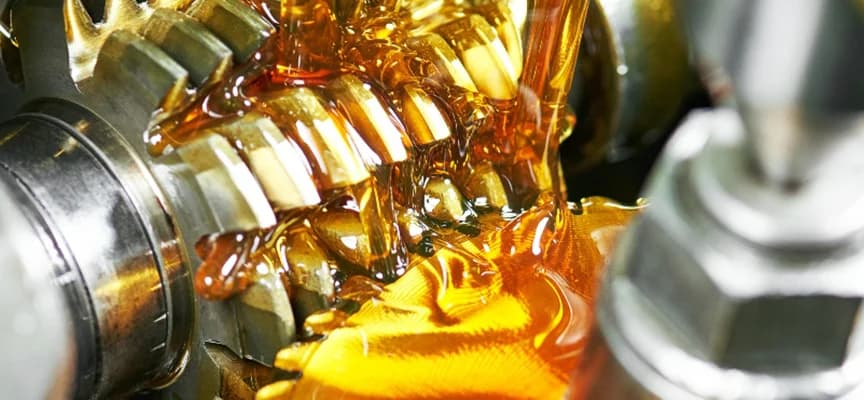
In the demanding world of hydraulic systems, the life expectancy and performance of hydraulic oil are pivotal. These systems have evolved with smaller reservoirs and higher operating pressures, leading to increased oil temperatures and the need for more resilient hydraulic fluids. Understanding the factors that influence hydraulic oil longevity is crucial for maintaining system efficiency and preventing costly downtimes. Visit us in Cape Town, George, Gauteng, or Bloemfontein.
Quick answer
Hydraulic oil is the fluid that is designed to transmit power through a machine’s hydraulic system, and its life is the period over which it provides clean, reliable performance before it must be changed.
Looking after hydraulic oil provides longer component life, because clean fluid allows you to protect the pumps, cylinders and valves from the wear and overheating that contaminated or degraded oil causes.
Extending oil life involves correct filtration, the right grade and regular sampling, and good practice is designed to keep the oil within specification so the whole hydraulic system lasts longer.
This guide describes what affects hydraulic oil life and helps a South African operator adopt the maintenance habits that keep a machine’s hydraulic system efficient and reliable for much longer.
Hydraulic Oil Life Expectancy: Strategies for Enhanced System Efficiency and Longevity
Key Influences of Hydraulic Oil Longevity
- Operating Conditions: Hydraulic oil life is significantly affected by the system’s operating environment. High temperatures can accelerate oil degradation, while contamination from water, air, and particulates can lead to oil oxidation, forming sludge and varnish that hinder system performance.
- Oil Quality and Additives: The choice of hydraulic oil plays a vital role in its service life. Synthetic oils, known for their superior performance under extreme conditions, can offer longer life spans compared to mineral-based oils. Additives within the oil, designed to enhance properties like anti-wear, oxidation resistance, and thermal stability, can become depleted over time, necessitating oil replacement.
- Maintenance Practices: Regular monitoring and maintenance can extend oil life. Practices include keeping the oil clean, dry, and cool, as contamination and high temperatures are primary causes of oil degradation. Planned, preventive, and predictive maintenance strategies can help manage oil condition and system health effectively.
Frequently Asked Questions About Hydraulic Oil Life Expectancy
How often should hydraulic oil be changed in heavy equipment?
Hydraulic oil should typically be changed every 1,000 to 2,000 operating hours, depending on the equipment manufacturer’s recommendations and operating conditions. Severe duty cycles, high temperatures, or dusty environments may require more frequent changes.
What are the signs that hydraulic oil needs replacing?
Warning signs include darkened or discoloured oil, a burnt smell, visible particles or cloudiness, sluggish hydraulic response, and increased operating temperatures. Oil analysis testing can also detect degradation before visible symptoms appear.
Which hydraulic oil should I use in my equipment?
Always use the hydraulic oil grade and type specified in your equipment’s operator manual, typically an ISO VG 46 or VG 68 hydraulic fluid. Using the wrong oil viscosity can damage seals, reduce system efficiency, and void your warranty.
How can I prevent hydraulic oil contamination?
Prevent contamination by keeping fill caps and breathers clean, using sealed containers for storage, filtering new oil before adding it, and replacing hydraulic filters at recommended intervals. Always clean around fill ports before opening to prevent dirt ingress.
What happens if I neglect hydraulic oil changes?
Neglected hydraulic oil breaks down and loses its lubricating and cooling properties, leading to accelerated pump and valve wear, seal failures, overheating, and ultimately catastrophic system failure. Repair costs for hydraulic component failure far exceed the cost of regular oil changes.
Where can I buy hydraulic oil and filters for my equipment?
MCM Group stocks genuine hydraulic oils and filters through their parts department at branches in Cape Town, George, Gauteng (Midrand), and Bloemfontein. Using genuine fluids and filters ensures compatibility and maintains your warranty coverage.
Find Us Nationwide
MCM Group has branches in Cape Town, George, Gauteng (Midrand), and Bloemfontein. Walk in, call, or get in touch online for product advice, quotes, and after-sales support.
Need help choosing the right machine? Contact MCM Group for expert advice and a competitive quote.
Strategies for Extending Hydraulic Oil Life
- Temperature Management: Maintaining optimal operating temperatures is critical. Every 10°C increase above the optimal range can significantly reduce oil life by accelerating the oxidation processes.
- Contamination Control: Implementing stringent filtration and sealing systems can minimize the ingress of contaminants. Regular oil analysis can detect early signs of contamination and degradation, allowing for timely interventions.
- Regular Oil Analysis: Oil sampling and analysis provide insights into the condition of the oil and the system. This proactive approach can identify issues like additive depletion, contamination, and the onset of oxidation, enabling corrective actions before significant damage occurs.
- Use of High-Quality Oils: Opting for high-quality synthetic oils with robust additive packages can offer better protection against oxidation and thermal degradation, extending the service life of the oil and the hydraulic components.
- Education and Training: Ensuring that maintenance personnel are well-trained in hydraulic system care and understanding the importance of hydraulic oil maintenance can lead to more effective management and extended oil life.